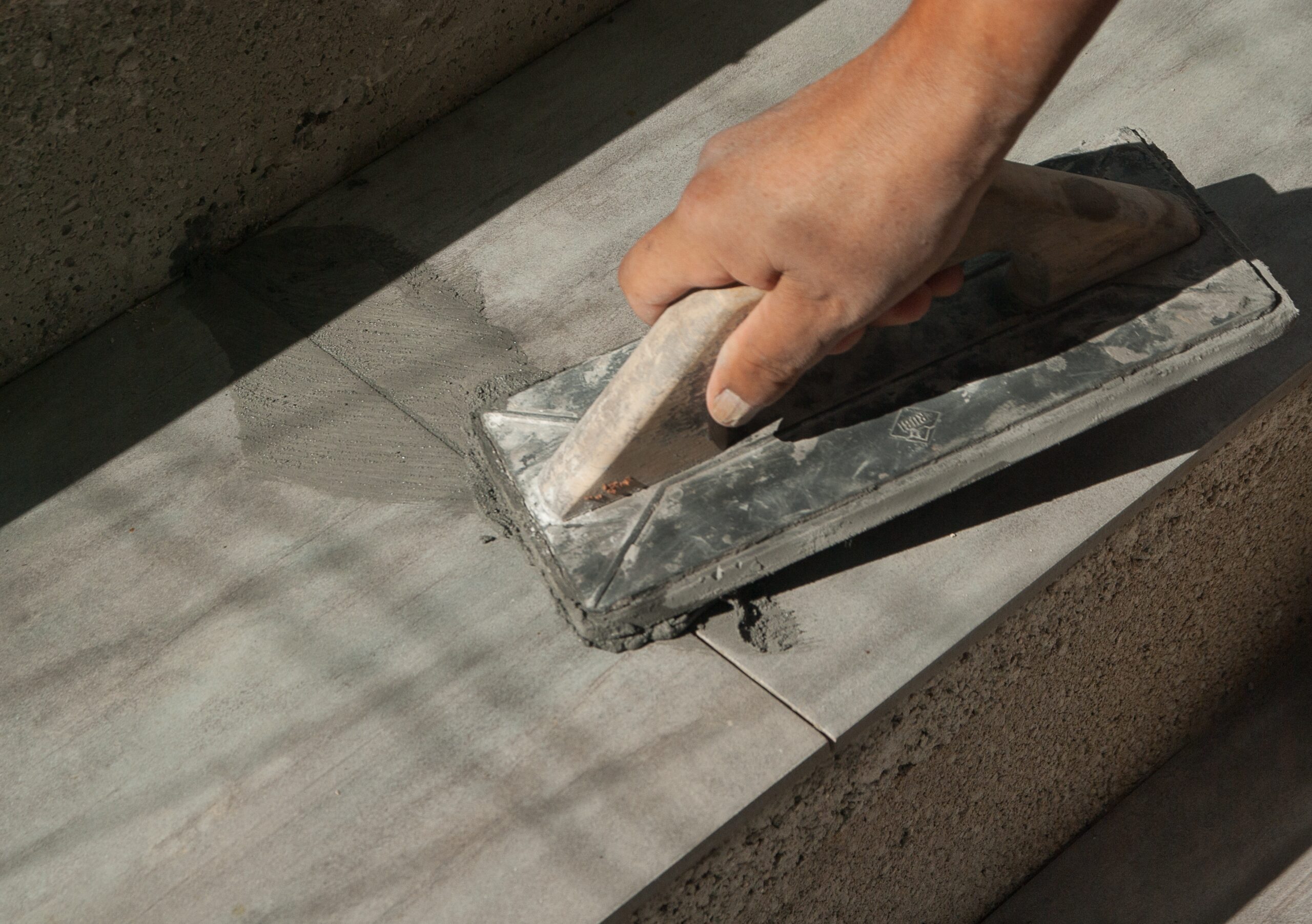
Uneven grout color is one of the most frustrating tile problems homeowners and DIYers encounter. You follow the instructions, apply the grout carefully, and yet once everything dries, the grout lines look blotchy, streaky, or inconsistent.
The good news? Uneven grout color is extremely common — and in most cases, it’s fixable.
This article explains exactly why grout color turns uneven, how to diagnose the cause, and the most effective ways to correct it without tearing everything out.
What Does Uneven Grout Color Look Like?

Uneven grout color can appear as:
- Light and dark patches in the same grout line
- Grout joints drying different shades
- Cloudy or chalky areas
- Dark edges with lighter centers
- Random discoloration throughout the installation
The grout may look fine while wet — and then change dramatically as it cures.
The Main Causes of Uneven Grout Color
1. Too Much Water During Mixing or Cleanup
This is the #1 cause of uneven grout color.
- Overwatering the grout mix weakens pigment distribution
- Excess water during sponge cleanup pulls cement and color to the surface
- Repeated rinsing dilutes grout joints unevenly
What it looks like: Washed-out or lighter areas, especially where extra wiping occurred.
Check out our article on How to mix thinset.
2. Inconsistent Grout Mixing
- Mixing multiple small batches with different water ratios
- Poorly blended dry pigment
- Skipping the slake (rest) time
What it looks like: One section darker or lighter than another, often matching batch changes.
3. Uneven Drying or Curing Conditions
Grout color is highly sensitive to curing conditions:
- Direct sunlight
- Airflow from fans or HVAC
- Heat differences across the surface
- Humidity changes
What it looks like: Patchy shading that follows room exposure patterns (windows, vents).
4. Porous Tile Edges Pulling Moisture
Some tiles absorb moisture at the edges:
- Natural stone
- Unglazed ceramic
- Matte porcelain
- Handmade or textured tile
These tiles can wick water out of grout, changing how pigment cures.
What it looks like: Dark halos or uneven shading near tile edges.
5. Grout Haze or Residue on the Surface
Residual grout film can:
- Lighten the perceived color
- Create cloudy or streaky appearance
- Mask true grout color underneath
What it looks like: Milky or chalky grout lines that don’t match sample color.
6. Efflorescence (Mineral Salts)
Efflorescence occurs when:
- Moisture moves through grout
- Salts rise to the surface
- White or light powdery residue appears
What it looks like: White haze or lighter patches, often reappearing after cleaning.
How to Fix Uneven Grout Color

Fix #1: Allow Full Cure Time
Before doing anything:
- Wait 7–10 days minimum
- Some color variation evens out naturally as moisture fully evaporates
Do not seal grout until color stabilizes.
Fix #2: Clean the Grout Thoroughly
Start with the least aggressive option:
- Warm water and nylon brush
- Mild grout cleaner
- Avoid acidic cleaners on fresh grout
This often removes surface residue causing color variation.
Fix #3: Use a Grout Color Restorer / Colorant
Grout colorant:
- Penetrates and coats grout
- Evens out color permanently
- Acts as a sealer
Best option when color variation is widespread and uniform fixes don’t work.
Pro tip: This is often faster and more reliable than regrouting.
Fix #4: Light Acid Wash (Cement Grout Only)
For stubborn efflorescence:
- Use sulfamic acid cleaner (not vinegar)
- Follow manufacturer dilution carefully
- Rinse thoroughly
Never use acid on natural stone or epoxy grout.
Fix #5: Regrout (Last Resort)
If:
- Grout is weak or crumbly
- Color problems are severe
- Structural grout failure is present
Then removal and regrouting may be necessary.
How to Prevent Uneven Grout Color
Use Exact Water Measurements
- Measure water — don’t guess
- Use the same ratio for every batch
Mix Once If Possible
- Mix full bags when feasible
- If batching, pre-measure water for each batch
Let Grout Slake
- Rest 5–10 minutes after mixing
- Remix without adding water
This ensures pigment consistency.
Control Cleanup Water
- Sponge should be damp, not wet
- One light pass per rinse
- Avoid overworking joints
Control the Environment
- Avoid direct sun and airflow
- Maintain even room temperature
- Don’t force-dry grout
Seal at the Right Time
- Wait until grout fully cures
- Sealing too early locks in uneven color
Is Uneven Grout Color a Product Defect?
Rarely.
In most cases, uneven grout color is caused by:
- Installation variables
- Environmental factors
- Water management issues
Modern grout products are generally consistent when installed correctly.
Final Thoughts
Uneven grout color is frustrating — but it’s almost always preventable and correctable. Understanding how water, mixing, cleanup, and curing affect grout color is the key to professional-looking results.
Before tearing grout out, try cleaning and color correction methods. In many cases, the fix is far simpler than it first appears.

Leave a Reply